












Connected data and automated processes for vendors, distributors, and retailers

We connect sales, stock, finance, and reporting data across your systems, validate it, and keep it refreshed automatically — so managers stop reconciling exports to answer routine questions

N40 connects every process into one reporting system

SAP1СGoogle SheetsPower BIShopifySquareSalesforceQuickBooksKeyCRMRetailCRMNova PoshtaProm

We work with the systems you already use

ERP, CRM, WMS, POS, BI tools, spreadsheets, and documents each contain a different part of the operational data. Management reporting still depends on exporting from each one, reconciling the results by hand, and waiting for the numbers to arrive.

N40 does not replace SAP, 1C, Power BI, CRM, WMS, POS, or ecommerce platformsWe connect the data, reports, and documents around them into dashboards, workflows, and decision support your team can use

What we build, integrated with the systems you already use

Four stages, implemented in order: connected data and a knowledge system, management dashboards, AI-assisted analysis, and controlled workflow automation — so current operational data is available in one place instead of being exported and reconciled by hand

Stage 1 of 4

Connected data and a knowledge system

We connect your data sources, agree the data model, and set the validation rules that catch duplicates, mismatched SKU names, and broken reference data. Documents, exports, and written procedures are indexed into a searchable knowledge system.


Stage 2 of 4

Management dashboards

Defined metrics for sales, stock, margin, and plan-fact, refreshed on a set schedule, so finance and operations read the same numbers instead of reconciling separate exports.

Stage 3 of 4

AI-assisted analysis and decision support

An interface for querying the consolidated data, explaining variances, and preparing summaries, plus rules that flag material deviations for review. The analysis is generated; the decision stays with your managers.

Stage 4 of 4

Controlled workflow automation

System integrations and explicit rules handle the deterministic steps — routing, reporting, status updates. Actions with material business impact require approval from an authorized employee, and every run is logged.

Vendors, distributors, retailers

Different businesses, overlapping problems: scattered data, late reports, and decisions made on incomplete information

Distributors

A distributor earns on turnover, margin, and process discipline, so unreliable stock, receivables, or margin data has a direct cash consequence.

  • Stock, turnover, and slow-moving goods are analysed late.
  • Receivables, credit limits, and risky customers are tracked manually or in fragments.
  • Managers see turnover but not the real margin by customer, SKU, and channel.
  • Data between sales, warehouse, and finance lives in Excel, email, and manual reconciliation.
  • There is no single logic for which customers to push, limit, or incentivise.
See the distributors focus

What an audit and automation can produce

The five builds we implement most often for vendors, distributors and retailers: management dashboards, partner and dealer performance tracking, inventory and receivables control, spreadsheet-to-dashboard automation, and an AI-assisted analysis interface over the consolidated dataOpen any one for the detail

From the warehouse floor to the shop shelf

The environments our dashboards and knowledge systems report on, every day

Built-in ovens & refrigeration
Kitchen & appliance display
Laundry appliances
Appliance showroom
Distribution & transport
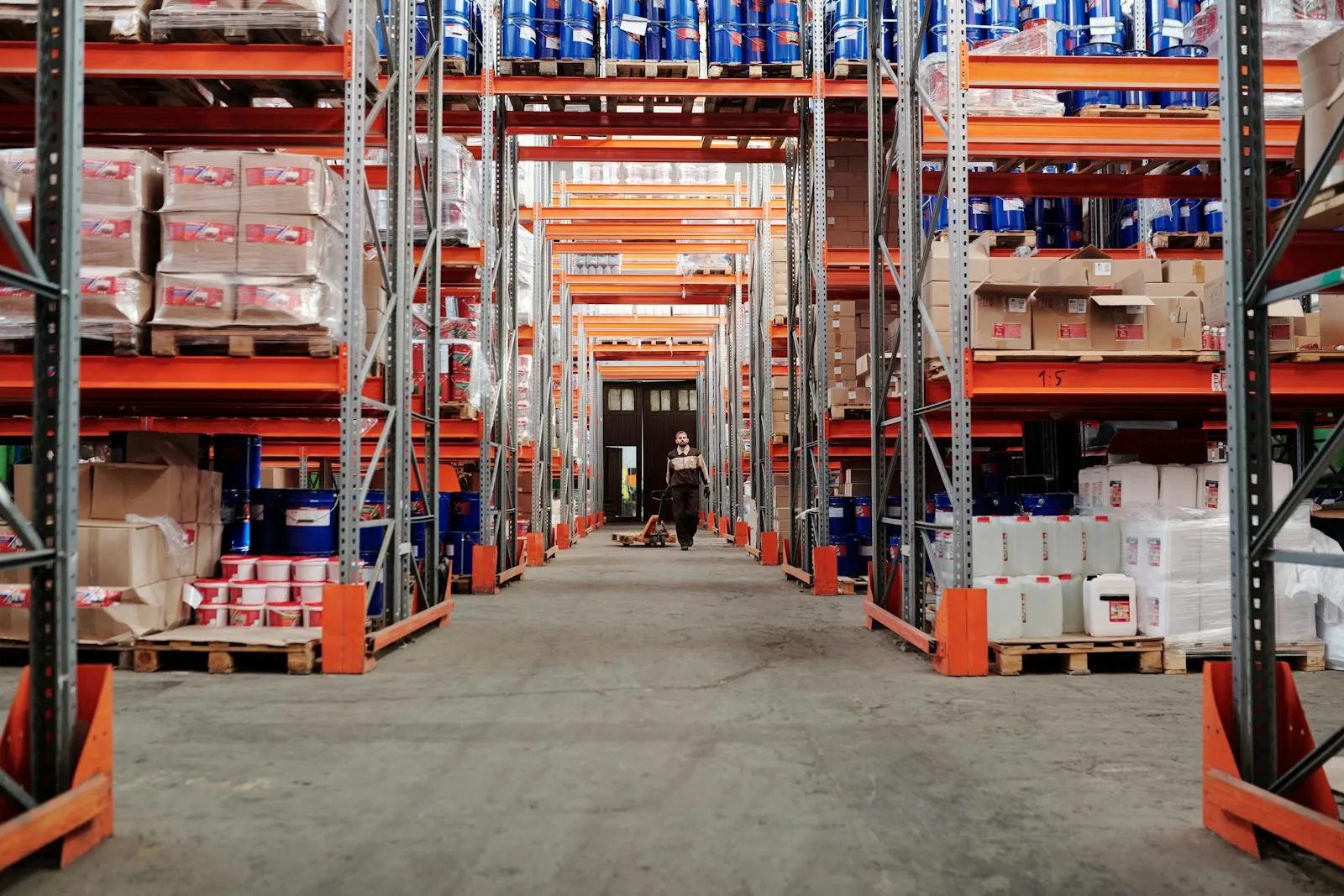
Warehouse aisle

From scattered data to decisions your team can trust

We use cookies for analytics, only with your consent. See our Cookie Policy.